
DC Summers Are Getting More Extreme and Expensive – Who’s Responsible?
By Macy Brigham-Hill, DC Campaign Intern, Chesapeake Climate Action Network


Growing up in the Nation’s Capitol, I spent my summers climbing trees, exploring Rock Creek Park, playing sports, going to the Zoo, camps and playgrounds, and spending almost all of my time outside. Today, those summers are being reshaped by extreme heat. Heat advisories, cancellations, and warnings to stay indoors are frequent experiences for children and families in D.C. Now, as a rising college senior, I feel frustration for kids like my younger sister, whose summers are being threatened and changed by climate change. As extreme heat worsens, we will continue to witness its negative impacts on people’s physical and mental health and overall well-being.
This Fourth of July marked the hottest in D.C. history, surpassing the record in 1919, with temperatures over 100°F. The city issued an extreme heat warning as the heat index was expected to reach 105-115°F in many areas. While high humidity increases the risk of heat-related illness, consistently high temperatures throughout the day produced life-threatening conditions for residents partaking in outdoor plans and events.
On the National Mall, celebrations were cut short due to the dangerous temperatures. D.C. Fire and EMS reported 96 patient contacts and 40 patient transports. People were seen lying on the ground and on stretchers with ice, as they were loaded into ambulances. A total of 603 people received first aid in one day.

High temperatures and humidity are the deadliest extreme weather events worldwide, with thousands of people dying from heat each year in the U.S. alone. A Virginia study on extreme heat, when projected nationally, estimates that heat-related hospital visits and illness cost approximately $1 billion in health care costs each summer. Extreme heat is also particularly dangerous in cities like D.C., due to the urban heat-island effect, which happens when pavement, buildings, and other hard surfaces absorb and trap heat instead of cooling down. This means majority Black and Brown communities, which often have less tree cover, more asphalt, fewer parks, and more development shaped by decades of unequal urban planning, can be about 17 degrees hotter than others on the same day. Neighborhoods such as Ivy City, Trinidad, and the Navy Yard have faced some of the city’s highest heat risks, making extreme heat a public health emergency and an issue of environmental justice.
Extreme heat also places intense strain on public infrastructure and essential resources that residents depend on. Heatwaves overwhelm the U.S. grid, leading to cancellations and delays. During the July heatwave, PJM, our regional grid manager, issued a federal alert to cut electricity consumption across its territory, which impacted all D.C. residents and resulted in higher AC bills and even blackouts. Amtrak also stated that trains would run at reduced speeds and people could experience delays throughout the day. D.C. summers have always been hot, but climate change is making extreme heatwaves more frequent, intense, and dangerous.
DC and Beyond: Scientists Link Extreme Heatwaves to Climate Change
World Weather Attribution (WWA), an international network of scientists, conducts rapid studies of extreme events to determine the influence of climate change. A recent article by WWA analyzed this heatwave and determined that the combination of heat and humidity experienced in early July would have been virtually impossible without climate change.
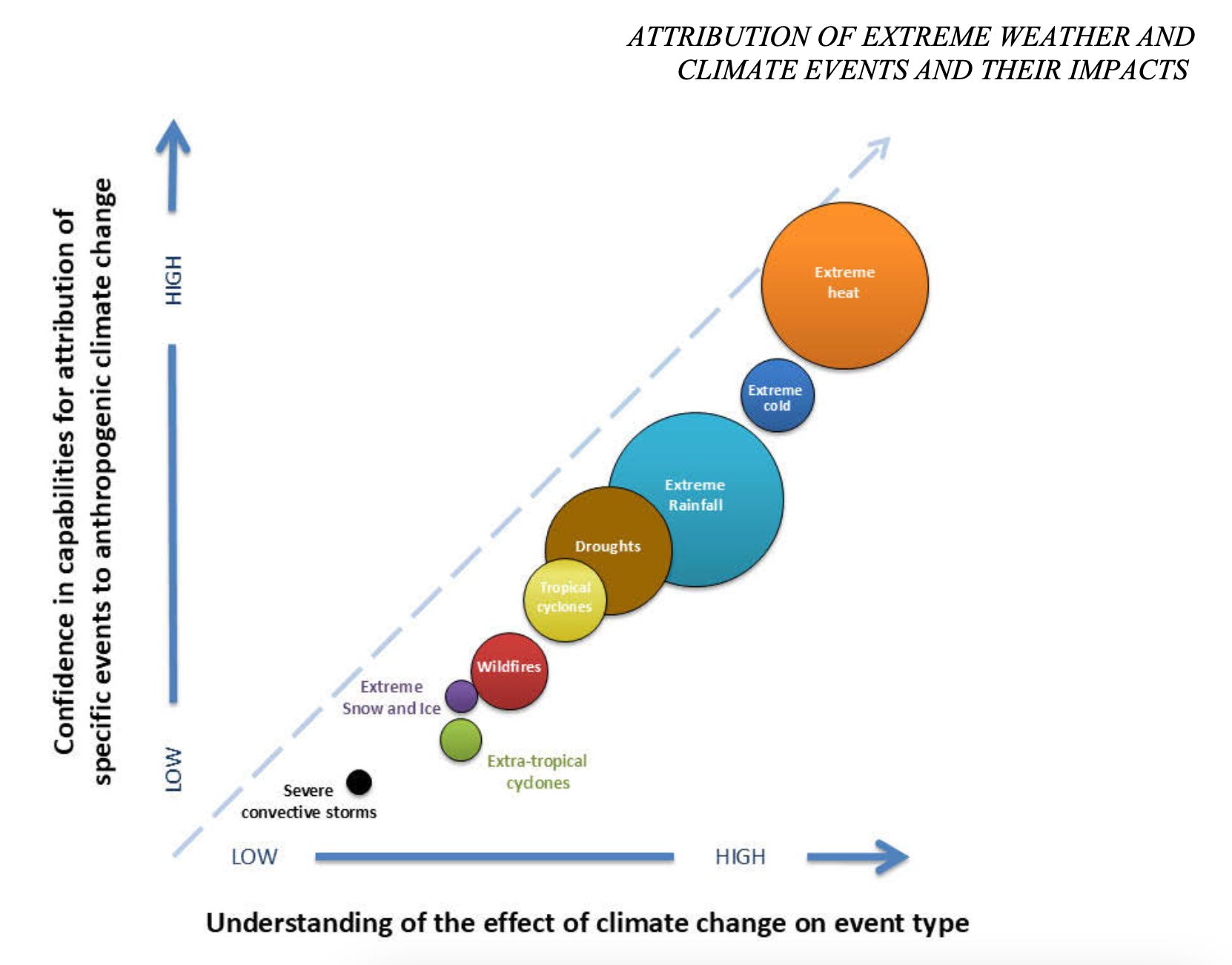
These kinds of attribution studies are becoming more crucial in lawsuits focused on holding fossil fuel companies financially responsible for climate-related damages. Researchers can even trace aspects of these damages to specific emission sources and fossil fuel companies that are responsible for the largest share of emissions.
What We’re Doing: Make Polluters Pay Campaign
D.C. residents are already paying the price of climate change in higher utility bills, increased hospital visits, and strains on public systems that families rely on, particularly in minority, overburdened, and underserved communities. CCAN Action Fund’s Make Polluters Pay campaign aims to take the burden off of taxpayers and put it on the shoulders of the largest, most polluting fossil fuel companies. Climate change could cost every D.C. resident born in 2024 an extra $500,000 to 1 million over their lifetime. Meanwhile, in the same year, the largest fossil-fuel emitters’ profits totaled more than $102,000,000,000.
In June, the D.C. Council passed the Greenhouse Gas Emissions Study Amendment Act to kickstart a study to determine the total financial cost of climate change on D.C. and how exactly extreme weather impacts the city. The results would help guide investments towards heatwave relief, flood protection, and public infrastructure and transportation improvements and so much more.
Sign the Make Polluters Pay petition to make sure the biggest fossil fuel companies cover the costs of climate change-related extreme weather damages.